
Describe the moment it goes wrong.
At LockReach, we check the lock together with the way the door closes and latches. A key that feels worn may be part of the problem, but a loose handle, a damaged mechanism or a misaligned strike can need different work. Tell us what you have noticed during normal use; there is no need to keep forcing it.
Tell us if the problem appeared suddenly or has gradually become harder to work around. Avoid forcing a key or repeatedly operating damaged hardware. A broken piece can make a straightforward assessment more complicated.
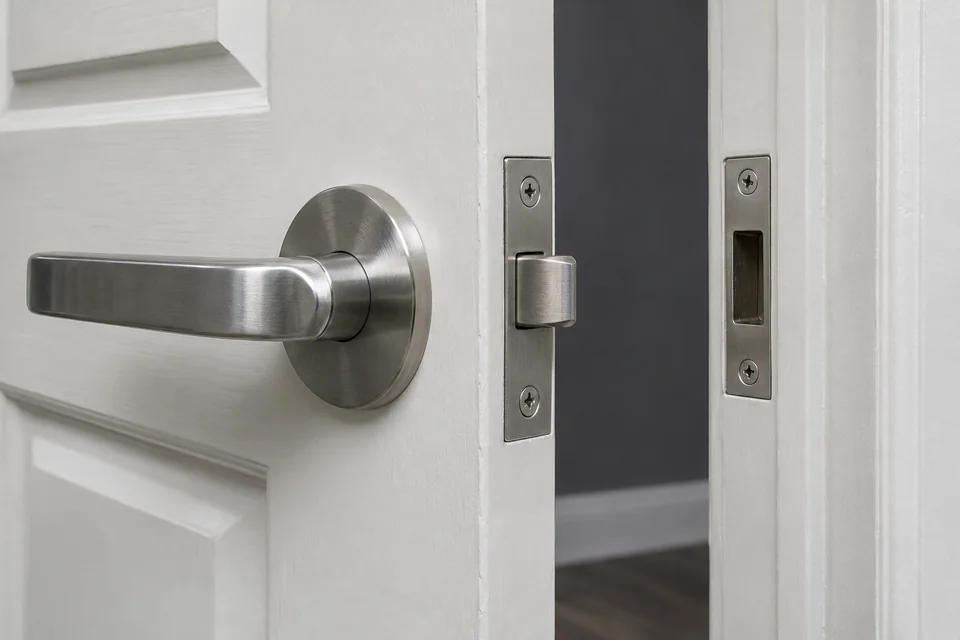
The lock and door work together.
A lock can feel faulty because the bolt or latch is meeting resistance at the frame. The cylinder can also have its own wear or damage. A replacement key is not a universal answer to either problem.
Describe any ordinary observation you already have about the door's fit. You do not need to remove parts or carry out a test routine. The purpose is to assess the actual entrance before deciding whether adjustment, repair or replacement is appropriate.
A broken key needs more than a label.
Mention whether a piece remains in the lock and whether the key was hard to turn before it broke. Removing a fragment and addressing the underlying fault are separate parts of the discussion.
Do not assume that extraction guarantees the existing cylinder is reusable or that the entire lock must be replaced. The condition of the remaining components has to be checked. If the concern is also who holds a key, include that separately.
Agree what is being repaired.
A proposal should identify the affected hardware and explain the intended result. If replacement is recommended, ask why repair would not be suitable and what the new hardware needs to fit.
For a rented or shared entrance, establish who may authorize the work. For a business, commercial access planning may involve existing key arrangements and safe exit considerations. The goal is a door that works for its actual use, with the scope understood before work begins.
A little more clarity.
Should I keep trying a stiff key?
Avoid force, particularly with a bent or damaged key. Describe the problem and arrange an assessment.
Is replacement always better than repair?
No. Suitability depends on the fault, condition, compatibility and intended use. Ask why a particular option is recommended.